




Новости

Advantages of Semi Automatic Bagging Equipment for Bulk Bags
Core Content (Optimized for Google, Pure English, HTML-ready)
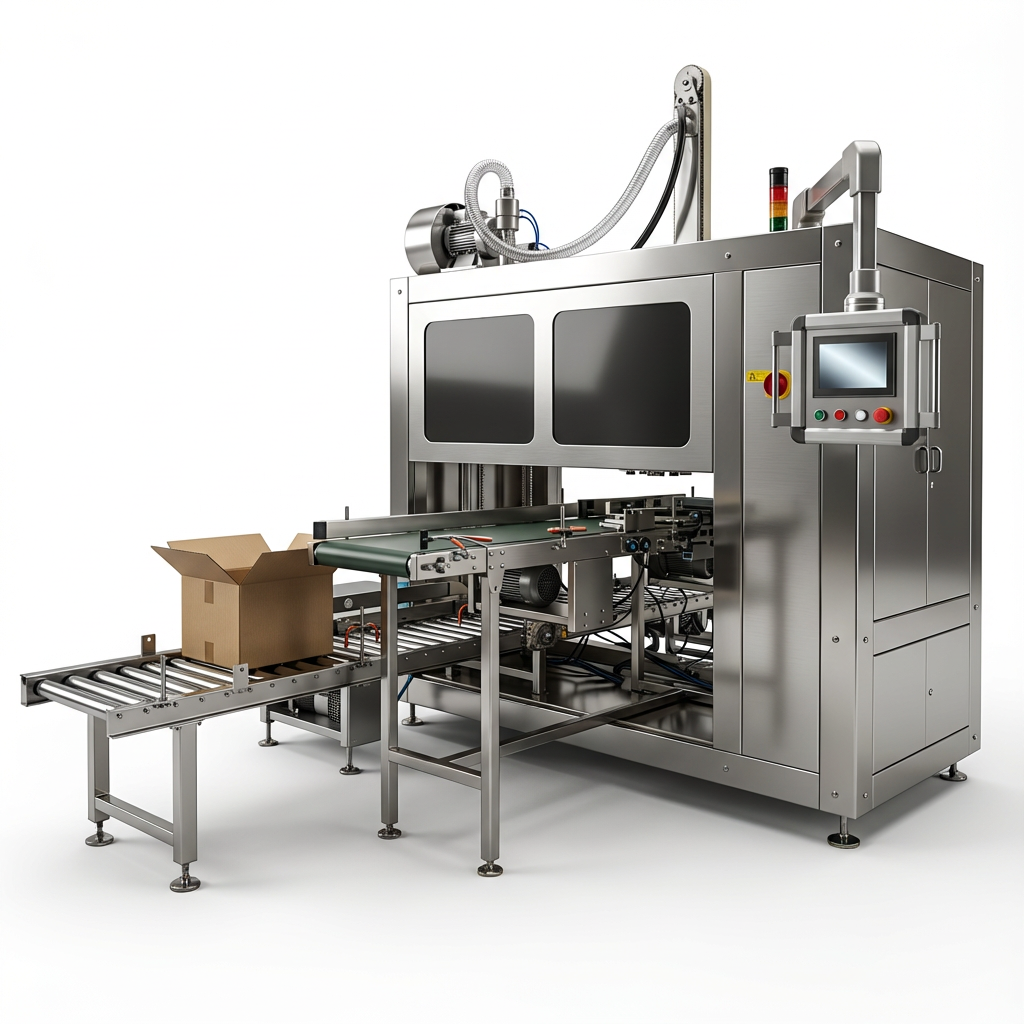
Semi automatic bagging equipment for bulk bags (also referred to as semi auto FIBC filling equipment) is a mid-tier packaging solution designed to fill, weigh, and seal flexible intermediate bulk containers (FIBCs, or "bulk bags") with minimal manual labor. It bridges the gap between slow, error-prone manual bagging and capital-intensive fully automated lines, making it ideal for medium-scale operations (1,000 to 6,000 bulk bags daily) that need efficiency gains without massive upfront costs.
Unlike manual bagging, where workers lift 1,000+ lb bags, scoop materials, and seal each unit by hand, semi automatic systems integrate automated material dispensing, precision weighing, and semi-automated bag clamping/sealing. Only 1-2 operators are required per shift to monitor processes, adjust settings, and resolve minor issues—reducing labor load while maintaining consistent output.
For most medium-scale manufacturers, upfront investment is the deciding factor when upgrading packaging. Semi automatic bulk baggers cost 1/3 to 1/5 of fully automated lines, with standard models priced between $15,000 and $35,000—vs. $100,000+ for a full fully auto packaging system. Labor cost savings are equally significant: manual bagging requires 3-4 workers per shift, while semi auto only needs one, cutting annual labor expenses by 70% or more.
Additional cost reductions come from lower material waste. Semi auto systems use load cells for precise weighing, reducing overfilling/underfilling errors by up to 80% compared to manual processes. For high-value goods like specialty chemicals or food additives, this translates to $15,000-$25,000 in annual material savings. Maintenance costs are also lower: semi auto designs are simpler than fully automated lines, with fewer moving parts and cheaper replacement components, adding to long-term cost savings.
Productivity is a core driver of packaging efficiency. Manual bagging typically yields 10-15 bulk bags per hour per worker, while a single semi automatic bulk bagger delivers 50-80 bags per hour—boosting output by 300-500%. For an 8-hour shift, that’s 400-640 bags per semi auto line, vs. 80-120 bags for manual teams, meeting the demands of medium agricultural, chemical, or food production operations.
Semi auto systems are also scalable: optional add-ons like automatic material feeding from silos or hoppers can increase output even further as operations grow, avoiding the need to invest in an entirely new fully auto line later.
Precision is critical for regulatory adherence and customer satisfaction. Semi automatic bulk bagging equipment achieves a weighing accuracy of ±0.3% to ±0.8%, compared to ±2.5% to ±4% for manual bagging. This level of accuracy ensures compliance with industry standards like FDA regulations for food packaging, OSHA rules for hazardous materials, and global trade weight requirements—eliminating costly fines or customer claims for underfilled bags.
Automated features also protect product integrity: enclosed dispensing stations reduce dust spillage, preventing contamination of fine powders (e.g., flour, chemical additives) and extending product shelf life. Uniform heat seals or stitching (standard on semi auto systems) also reduce bag failure during transport, cutting product loss by up to 10% compared to manually sealed bags.
Manual bulk bagging is a leading cause of workplace musculoskeletal disorders (MSDs), with OSHA reporting that lifting heavy bags accounts for 20% of all manufacturing workplace injuries. Semi automatic systems eliminate most manual lifting via integrated bag lifters, automated dispensing stations, and safety guards (emergency stops, interlocks) that minimize worker exposure to hazards.
Enclosed dust control systems in semi auto models also reduce inhalation risks for fine or toxic materials, improving air quality and reducing workers’ compensation premiums. Fewer required operators lower exposure to workplace risks, while streamlined, less physically demanding tasks reduce employee turnover—saving on hiring and training costs.
Many medium-scale operations package multiple products or run short production cycles, a need semi auto bagging equipment excels at. It handles a wide range of bulk bag sizes (1-ton, 2-ton, 4-ton FIBCs) and material types (granules, powders, pellets, and free-flowing liquids with adaptors). Changeovers between products or bag sizes take only 15-30 minutes—vs. 2-3 hours for fully automated lines—making it ideal for specialty chemical manufacturers, small-scale agricultural producers, and craft food processors.
| Parameter | Semi Automatic Bagging Equipment | Manual Bagging | Fully Automatic Bagging Equipment |
|---|---|---|---|
| Average Output per Hour | 50-80 bags | 10-15 bags | 200-300 bags |
| Operators per Shift | 1 | 3-4 | 0-1 |
| Standard Initial Investment | $15,000 - $35,000 | $500 - $2,000 | $100,000+ |
| Weighing Error Rate | ±0.3% - ±0.8% | ±2.5% - ±4% | ±0.1% - ±0.3% |
| Typical ROI Period | 1-2 years | Immediate (high long-term cost) | 5-7 years |
| Footprint (sq ft) | 20-30 | 5-10 | 100+ |
| Changeover Time | 15-30 mins | 5-10 mins | 2-3 hours |
Semi auto bagging equipment is tailored for medium-scale operations across sectors:
Several myths prevent businesses from adopting semi auto solutions:
According to 2024 MarketsandMarkets research, the global semi automatic bulk bag packaging market is growing at a 6.9% CAGR, fueled by the expansion of medium-scale manufacturing and labor optimization priorities. Key advancements include IoT-integrated semi auto systems that track real-time output and weight data via mobile apps, plus modular designs that let businesses add features (e.g., automatic sealing) as output grows. These innovations make semi auto solutions future-proof, adapting to scaling needs without full line replacements.
Semi automatic bagging equipment for bulk bags is a strategic, cost-effective choice for medium-scale operations that need to balance efficiency, safety, and compliance. It solves the pain points of manual labor (slow speed, high error rates, safety risks) while avoiding the prohibitive cost of fully automated lines. For agricultural, chemical, food, or mining businesses with daily outputs of 1,000-6,000 bulk bags, semi auto FIBC filling equipment delivers reliable, scalable performance that drives long-term profitability.
предыдущий:
Long Term Reliability of Heavy Duty Granular Packaging EquipmentСледующая статья:
Secondary Packaging Line Design for Optimized Workflow Промышленный парк группы B Aolan, район Чжандянь, город Цзыбо, провинция С-Шакэ, филиалы: Хэфэй / Синьцзян / Шанхай, перерабатывающие базы: Цзыбо / Хэфэй
 +86 15156080266
 emocnn@163.com
© Авторские права: 2026 Шаньдунская компания Chengyi Intelligent Equipment Co., Ltd. Все права защищены.

Поддерживается сеть IPv6
Этот веб-сайт использует файлы cookie, чтобы обеспечить вам максимально эффективное использование нашего веб-сайта.


Комментарий
(0)