




Новости

Cost Saving Strategies for Secondary Packaging Operations
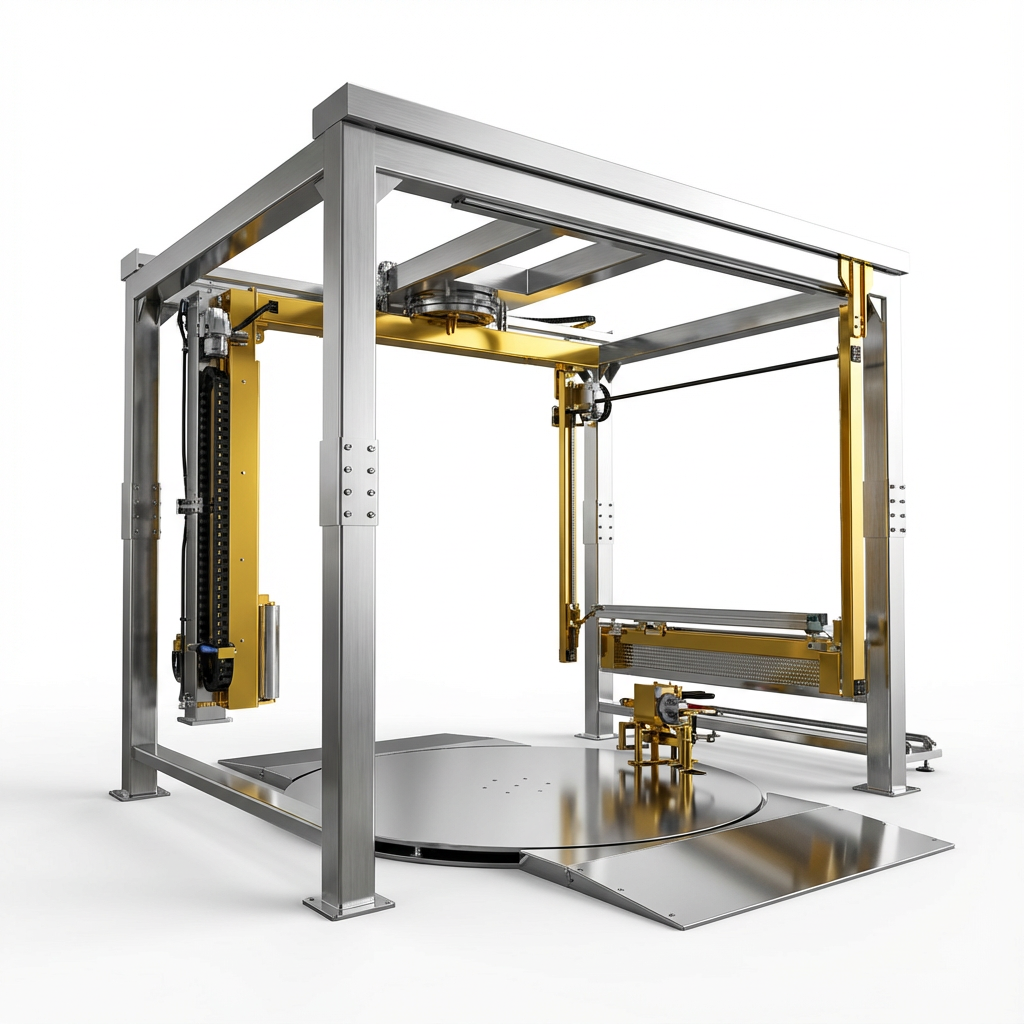
What is Secondary Packaging Operations & Why Cost Reduction Matters
Secondary packaging refers to the materials and processes used to group primary packaged products into functional units for handling, storage, and transport. Common examples include corrugated boxes, shrink wrap, strapping, pallets, and labels. Unlike primary packaging (which protects individual products), secondary packaging focuses on unitization, damage prevention in transit, and logistics streamlining.
According to industry data from Packaging Digest, secondary packaging costs account for 20–30% of total packaging expenditures across FMCG, electronics, and pharmaceutical sectors. Inefficient secondary packaging often leads to 15–20% higher logistics costs, 8% annual product damage in transit, and 10–15% unnecessary material waste—all of which directly erode profit margins. Implementing targeted cost saving strategies for secondary packaging operations is not just a cutback measure: it’s a way to enhance supply chain resilience, reduce environmental impact, and drive long-term operational growth.
---
Core Cost Saving Strategies for Secondary Packaging Operations
1. Material Optimization: The Foundation of Reducing Secondary Packaging Costs
Overpackaging is the single largest source of secondary packaging waste, with 60% of companies using boxes 20–30% larger than needed. Material optimization focuses on using the minimal, highest-performance materials to avoid excess costs and maintain protection. Key tactics include:
- Right-Size Packaging Units: Use 3D modeling software (or manual dimension calculations) to match packaging exactly to product loads, eliminating empty space that increases material and shipping costs. For example, fitting 12 snack bars into a 10x6x2 inch box instead of a generic 12x8x3 inch box cuts material use by 25%.
- Lightweight ECT-Rated Corrugated: Switch from standard 32 ECT (Edge Crush Test) corrugated to lightweight 26–28 ECT boxes, which are 15–20% lighter and cost 10–15% less per unit while meeting durability standards for most bulk loads.
- PCR (Post-Consumer Recycled) Materials: Replace virgin plastics/cardboard with PCR alternatives, which are 5–10% cheaper and align with circular economy goals without sacrificing performance.
- Eliminate Non-Essential Materials: Replace heavy poly strapping with pressure-sensitive tape for light loads, or use thinner-gauge shrink film (0.5 Mil vs. 1.0 Mil) for pallet unitization.
Table 1: Comparative Performance & Cost of Secondary Packaging Materials
| Material Type | ECT Rating (Lbs/Inch) | Weight per Unit (Oz) | Cost per 100 Units | Transit Damage Rate (%) | Primary Use Case |
|---------------|------------------------|-----------------------|--------------------|-------------------------|------------------|
| Standard Single-Wall Corrugated | 32 | 8.5 | $45.00 | 6.2 | General Retail Bulk Unitization |
| Lightweight Single-Wall Corrugated | 26 | 6.8 | $38.00 | 6.5 | Small/Medium Product Bundles |
| Double-Wall Reinforced Corrugated | 44 | 12.0 | $62.00 | 2.1 | Heavy Industrial Goods |
| PCR Shrink Film (0.5 Mil) | N/A | 2.2 | $12.00 | 5.8 | Pallet Stabilization |
| Virgin Shrink Film (1.0 Mil) | N/A | 4.0 | $18.00 | 4.9 | Fragile Pallet Goods |
2. Operational Efficiency: Streamlining Workflows to Cut Labor & Time Costs
Labor makes up 30–40% of secondary packaging costs, with manual tasks like folding boxes, strapping, and labeling taking up 70% of operational time. Optimizing these processes reduces waste and boosts throughput:
- Standardize SOPs: Create step-by-step standard operating procedures (SOPs) for all packaging tasks, reducing variability in work. Pre-folding boxes at the start of shifts eliminates on-site folding time, saving 25% per unit.
- Automate Tedious Tasks: Deploy semi-automated box sealers, strapping machines, or label applicators, which reduce manual labor by 50–70% and increase output by 30–40%. A single automated sealer can replace 2–3 full-time workers for sealing tasks.
- Cross-Train Staff: Train employees on multiple packaging roles to avoid bottlenecks during peak demand, cutting overtime costs by 15–20%.
- Reduce Rework: Implement quality checks at each stage (e.g., scanning to confirm box size) to fix errors before they lead to wasted materials and delayed orders.
Table 2: Time & Cost Savings from Operational Optimization
| Packaging Operation | Pre-Optimization Time (Sec/Unit) | Post-Optimization Time (Sec/Unit) | Pre-Optimization Labor Cost ($/1k Units) | Post-Optimization Labor Cost ($/1k Units) | Total Savings ($/1k Units) |
|--------------------|-----------------------------------|------------------------------------|------------------------------------------|-------------------------------------------|------------------------------|
| Box Folding/Sealing | 18 | 7 | 12.60 | 4.90 | 7.70 |
| Product Unitizing | 25 | 10 | 17.50 | 7.00 | 10.50 |
| Label Application | 12 | 3 | 8.40 | 2.10 | 6.30 |
| Pallet Strapping | 22 | 8 | 15.40 | 5.60 | 9.80 |
| Total All Operations | N/A | N/A | 53.90 | 19.60 | 34.30 |
3. Technology & Automation: Smart Tools for Long-Term Cost Savings
Investing in technology for secondary packaging delivers rapid ROI, with 75% of companies seeing a full payback within 12–18 months. Key tech-driven strategies:
- Fully Automated Packaging Lines: Lines that combine box forming, loading, sealing, and palletizing can process 100+ units per hour (vs. 20–30 manual units), reducing labor costs by 35% annually.
- IoT-Enabled Monitoring: Use sensors to track packaging stress (vibration, temperature) during transit, identifying weak spots in materials and reducing damage-related costs by 18%.
- In-Line Digital Labeling: Print barcodes/RFID labels directly on boxes during packaging, eliminating label waste (up to 10% of traditional label costs) and reducing scanning errors.
- DFMA (Design for Manufacturing & Assembly): Collaborate with product designers to create items that fit standard packaging sizes, avoiding filler materials. For example, a product with flat, uniform sides eliminates the need for foam inserts, cutting material costs by 10%.
4. Supply Chain & Inventory Synergy: Eliminate Waste Through Planning
Overstocking secondary packaging materials leads to damage (corrugation moisture, plastic degradation) and storage costs. Collaborative planning fixes this:
- JIT (Just-In-Time) Delivery: Work with suppliers to deliver packaging materials exactly when needed, reducing on-site storage costs by 20–25% and eliminating unused material waste.
- Bulk Procurement: Aggregate packaging needs across multiple facilities or product lines to negotiate lower unit prices, achieving 5–10% savings on materials.
- Demand-Driven Packaging: Align packaging production with real order volumes, avoiding overproduction. For seasonal products, use flexible packaging that adapts to different sizes (e.g., adjustable shrink wraps) instead of dedicated box sets.
- Supplier Partnerships: Co-design packaging solutions with suppliers to combine low-cost materials with performance: e.g., PCR cardboard + reduced shrink film for standard loads cuts material costs by 12%.
5. Sustainability as a Cost Driver: Green Strategies That Save Money
Sustainability in secondary packaging is no longer just a trend—it’s a cost-saving tactic:
- Reusable Packaging: For closed-loop supply chains (retail → distribution), use reusable plastic pallets or crates instead of disposable corrugated boxes, cutting annual packaging costs by 40–50%.
- Reduce Plastic Usage: Switch to paper-based packaging for light loads or use 0.5 Mil shrink film (30% thinner than standard) for pallet stabilization, reducing material costs by 28%.
- Avoid Regulatory Fines: Comply with laws like the EU’s Single-Use Plastics Directive, which imposes fines up to €100k for non-compliance, by using recyclable/alternate materials.
- Consumer Demand: 60% of consumers will pay more for sustainable packaging (Nielsen 2023), offsetting minor material cost increases with higher sales volume.
---
Measuring the Impact of Your Cost Saving Strategies
To ensure success, track these KPIs monthly:
- Secondary packaging cost per unit
- Transit damage rate
- Labor hours per 1,000 units
- Packaging material waste percentage
- Inventory turnover for packaging supplies
---
Conclusion
Implementing cost saving strategies for secondary packaging operations requires a holistic approach: from right-sizing materials and streamlining workflows to adopting smart technologies and collaborative supply chain planning. Businesses that apply these tactics can reduce secondary packaging costs by 20–30% annually, while improving efficiency and reducing environmental footprint. Start with small, measurable changes (e.g., lightweight materials, SOP standardization) then scale to larger investments like automation or reusable packaging for maximum long-term value.
предыдущий:
Maintenance and Service Tips for Palletizing SystemsСледующая статья:
Maintenance Tips for FFS Packaging Systems Промышленный парк группы B Aolan, район Чжандянь, город Цзыбо, провинция С-Шакэ, филиалы: Хэфэй / Синьцзян / Шанхай, перерабатывающие базы: Цзыбо / Хэфэй
 +86 15156080266
 emocnn@163.com
© Авторские права: 2026 Шаньдунская компания Chengyi Intelligent Equipment Co., Ltd. Все права защищены.

Поддерживается сеть IPv6
Этот веб-сайт использует файлы cookie, чтобы обеспечить вам максимально эффективное использование нашего веб-сайта.


Комментарий
(0)