




Новости

Granular Heavy Duty Packaging Machine Buying Guide
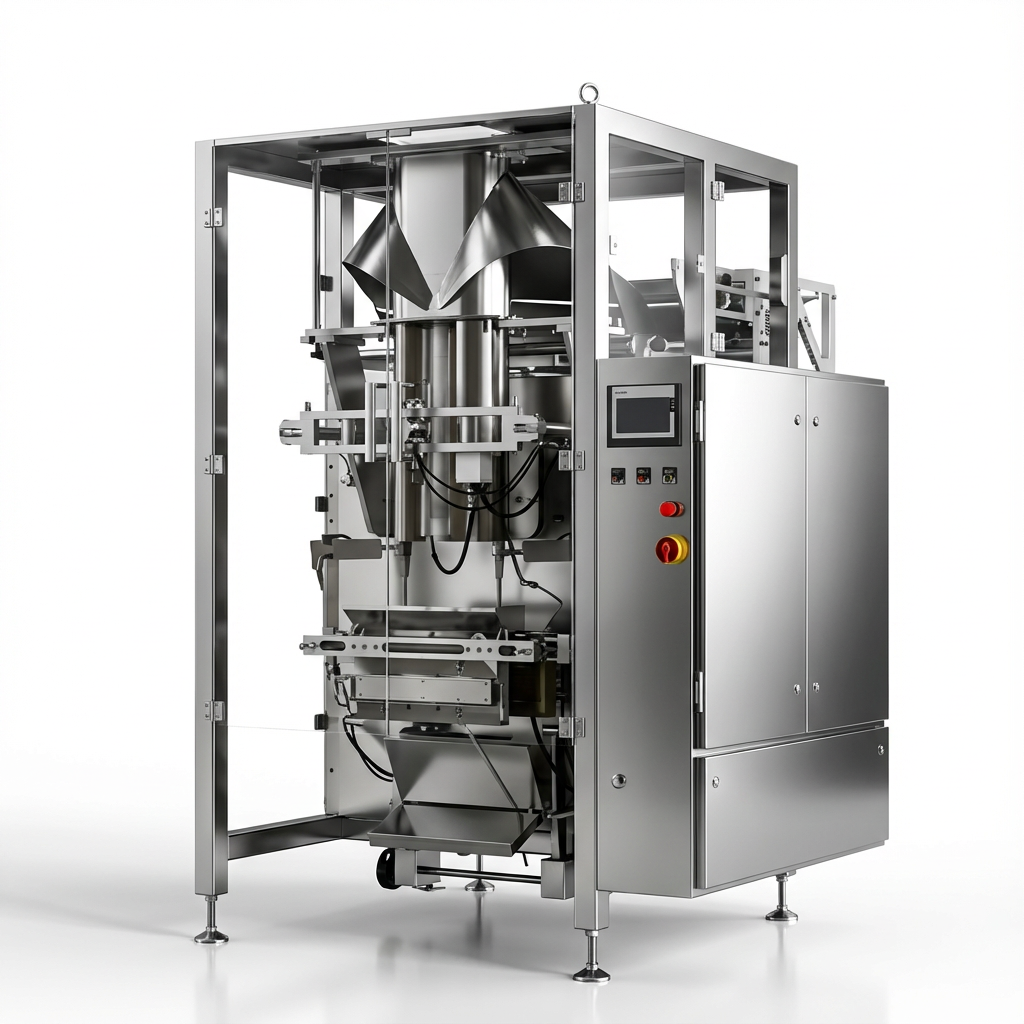
Granular Heavy Duty Packaging Machine Buying Guide
For industries handling bulk granular materials—such as agricultural fertilizers, industrial chemicals, plastic pellets, or construction aggregates—selecting the right packaging equipment is critical to balancing production speed, cost efficiency, product quality, and worker safety. A Granular Heavy Duty Packaging Machine is specifically engineered to meet the demands of high-volume, rugged operations that standard packaging machinery cannot handle. This comprehensive buying guide covers everything you need to know about industrial granular packaging equipment, from core definitions and types to key buying factors, performance specifications, and maintenance tips to help you make an informed investment. Whether you’re a small-scale producer looking to expand or a large industrial facility upgrading your line, this guide highlights essential features to prioritize in a heavy duty granular packing machine.
---
What is a Granular Heavy Duty Packaging Machine?
A Granular Heavy Duty Packaging Machine is an industrial-grade system designed to automate bagging, weighing, and sealing free-flowing or non-free-flowing granular materials in quantities ranging from small consumer bags to large bulk sacks. Unlike standard packaging equipment built for light-duty applications, heavy duty granular packaging machinery uses reinforced components to withstand continuous operation, heavy loads, abrasive granules, and even corrosive materials. These systems are tailored for high-capacity industrial settings where downtime is costly, and accuracy in dosing and sealing is non-negotiable. For example, a standard packing machine may struggle with sharp, abrasive plastic resin pellets that wear down internal parts quickly, but a heavy duty version uses hardened steel components to resist abrasion, ensuring consistent performance over years of use. This machine is distinct from standard units in its higher throughput, better corrosion resistance, robust weighing systems, and strict adherence to industrial safety standards.
---
Key Types of Granular Heavy Duty Packaging Machines
Choosing the right type of heavy duty granular packing machine depends on your production volume, granule characteristics, and packaging needs. Below are the most common industrial variants:
Automatic Vertical Form Fill Seal (VFFS) Granular Packaging Machine
Ideal for high-speed operations needing consistent, small to medium bags (1kg to 50kg) at rates up to 150 bags per minute. This fully automatic system forms bags from flexible packaging rolls (polypropylene, polyethylene), fills them with precision-dosed granules, seals, and cuts them in a single continuous process. Key benefits include minimal waste, high efficiency, and versatility for materials from free-flowing grains to slightly cohesive fertilizers. It is a top choice for industrial facilities producing large volumes of packaged consumer or industrial goods.
Automatic Horizontal Granular Packaging Machine
Built for bulk packaging (up to 100kg+ bags), this heavy duty granular packaging system excels at non-free-flowing granules that clog vertical feed mechanisms. Its horizontal design loads product directly into the bag, reducing spillage and ensuring accurate dosing for materials like agricultural bulk fertilizer or seed. These machines are widely used in agriculture and construction where heavy, high-volume packaging is required.
Heavy Duty Granular Bagging Machine with Load Cells
For precision-critical applications, load cell-equipped units offer industry-leading accuracy (±0.05% to ±0.1% tolerance). Unlike volumetric systems that measure volume, load cells weigh material directly, adapting to density variations in granules to eliminate overfill waste. This automatic granular packing machine is perfect for high-value materials like specialty chemicals or pharmaceutical excipients, where even minor inaccuracies lead to significant financial losses.
Semi-Automatic Granular Packaging Equipment
For small to medium operations balancing cost and flexibility, semi-automatic units require manual input (placing empty bags, initiating cycles) but handle weighing, filling, and sealing automatically. Throughput ranges from 10 to 30 bags per minute, with quick changeovers for multiple granule types. It is ideal for facilities with variable production volumes or limited floor space, avoiding the high upfront cost of fully automatic lines.
---
Critical Buying Factors for a Granular Heavy Duty Packaging Machine
Investing in the right heavy duty granular packing machine requires evaluating these key factors to align with your operational needs:
1. Throughput Capacity
Throughput (bags or tons processed per hour) is a core metric to avoid production bottlenecks. High-capacity units (50+ tons per hour) suit large-scale producers, while smaller operations may need 5–20 tons per hour. Account for peak demand periods—seasonal surges in agriculture, for example—by selecting a machine with slightly higher throughput than average needs to prevent delays.
2. Granule Compatibility
Not all heavy duty granular packaging machinery handles every granule type. Evaluate:
- Abrasiveness: Hard, sharp granules (silica sand, plastic pellets) require hardened steel components to resist wear.
- Corrosiveness: Acidic/alkaline granules need stainless steel hoppers/feed mechanisms.
- Flowability: Cohesive materials (wet fertilizer) may need agitators to prevent clogging.
- Temperature: Hot granules (molten resin) require heat-resistant seals.
Choosing a machine tailored to your granule type extends its lifespan and ensures consistent performance.
3. Packaging Material & Bag Type
The system must work with your packaging supplies:
- Materials: Woven polypropylene, polyethylene, paper, or laminated films.
- Bag types: Open-mouth, valve, or bulk sacks.
- Sealing: Heat, ultrasonic, or stitching (ultrasonic for plastic films; stitching for heavy woven sacks).
For example, chemical producers often use valve bags for airtight seals, so the machine must support this design.
4. Weighing Accuracy
Accuracy reduces product giveaway and ensures regulatory compliance. Gravimetric systems (load cells) offer ±0.05% precision for high-value materials, while volumetric systems are lower-cost for low-value, free-flowing granules. Prioritize gravimetric filling for industrial applications where waste minimization is key.
5. Construction Durability
Heavy duty units use heavy-gauge steel frames to withstand vibration and loads. Contact parts (hoppers, feed screws) should be 304/316 stainless steel (for corrosion) or hardened carbon steel (for abrasion). Avoid lightweight parts that bend or wear quickly—durable granular packaging machinery lasts 10–15 years vs. 3–5 years for standard units.
6. Automation Level
Full-automatic systems integrate with production lines and palletizers for minimal manual labor, ideal for large, continuous operations. Semi-automatic units offer flexibility for small facilities with variable production. Look for PLC/HMI controls for easy adjustments of bag size, weight, and speed.
7. Safety & Compliance
Industrial machines must meet OSHA, ISO, or ATEX (for hazardous materials) standards. Key features: emergency stops, moving part guards, dust extraction, and explosion-proof components for flammable granules. Compliance prevents fines and workplace incidents.
8. Maintenance Requirements
Easy-to-maintain machines reduce downtime. Look for accessible parts (removable hoppers, serviceable feed screws) and readily available spare parts. Avoid proprietary parts that cause repair delays—genuine manufacturer parts are designed for heavy duty use.
---
Specification Table: Key Parameters for Granular Heavy Duty Packaging Machines
This table summarizes critical specs to evaluate when comparing industrial granular packaging equipment:
| Specification Category | Key Parameters to Consider | Why It Matters for Heavy Duty Granular Operations |
|-------------------------------|------------------------------------------------------|-----------------------------------------------------------------------------|
| Throughput Range | 10–150 bags/min or 5–100+ tons/hour | Aligns with production volume; avoids bottlenecks during peak demand |
| Weighing Method | Gravimetric (load cell) or volumetric | Gravimetric ensures ±0.05% accuracy for high-value materials |
| Max Bag Capacity | 1kg–100kg (or bulk sacks over 200kg) | Matches packaging needs from consumer to industrial bulk |
| Construction Material | Heavy-gauge steel frame; 304/316 stainless steel | Resists wear/corrosion; extends machine lifespan by 5–10 years |
| Control System | PLC + HMI or manual controls | Easy adjustments for bag size/speed; intuitive operation for operators |
| Power Requirement | 3-phase AC power (industrial standard) | Prevents voltage drops that disrupt heavy duty operation |
| Durability Rating | IP65 or higher (dust/water resistance) | Protects components in dusty/wet environments (agriculture, mining) |
| Hazard Compliance | OSHA, ISO, ATEX (if required) + dust extraction | Ensures worker safety and regulatory compliance |
---
Core Advantages of Granular Heavy Duty Packaging Machines Over Standard Equipment
Investing in a heavy duty system delivers clear benefits:
1. Higher Efficiency: Continuous operation at speeds 2–3x faster than standard machines, reducing production time.
2. Reduced Waste: Gravimetric cutting giveaway by up to 2%, saving thousands annually on high-volume operations.
3. Long-Term Savings: Upfront costs are offset by lower repair expenses and a 2–3x longer lifespan vs. standard units.
4. Worker Safety: Enclosed filling and dust extraction minimize exposure to harmful granules, reducing respiratory risks.
5. Versatility: Quick changeovers (15–30 minutes) for multiple granule types, eliminating the need for separate equipment.
6. Product Integrity: Airtight seals prevent moisture/contamination, preserving quality for food, chemical, and agricultural products.
---
Common Industrial Applications
- Agriculture: Fertilizers, seeds, animal feed (bulk sacks, accurate dosing).
- Chemicals: Industrial resins, additives (corrosion-resistant parts, compliance).
- Food & Beverage: Sugar, salt, grains (FDA-approved, easy cleaning).
- Mining/Construction: Aggregates, sand (heavy-duty, high-capacity).
- Plastics: Pellets, polymers (abrasion-resistant components for sharp granules).
---
Optimization & Maintenance Tips
To maximize your heavy duty granular packaging machine’s performance:
1. Calibrate Monthly: Adjust load cells to maintain weighing accuracy.
2. Clean Daily: Remove residual granules from hoppers/chutes to prevent clogs.
3. Use Genuine Parts: Avoid generic components that wear faster.
4. Monitor Data: Use HMI tools to track throughput, seal quality, and waste.
5. Train Operators: Ensure proper use to prevent premature breakdowns.
Maintenance schedule:
- Daily: Check seals, emergency stops, and clean feed systems.
- Weekly: Lubricate moving parts, tighten bolts, and clear dust filters.
- Monthly: Calibrate load cells and inspect electrical connections.
- Annual: Full part replacement (seals, belts) and safety compliance checks.
---
Frequently Asked Questions
Q: What’s the difference between automatic and semi-automatic units?
A: Automatic units operate fully for high-volume lines; semi-automatic requires manual bag placement for flexible, small-scale operations.
Q: Can these machines handle cohesive granules?
A: Yes—select a unit with agitators in hoppers to prevent clogging for non-free-flowing materials like wet fertilizer.
Q: How much does a heavy duty granular packaging machine cost?
A: Semi-automatic units cost $10k–$50k; fully automatic high-capacity systems range from $50k–$200k+. Long-term savings justify the investment.
---
In conclusion, choosing the right Granular Heavy Duty Packaging Machine is a critical decision that impacts your operational efficiency, costs, and product quality. By evaluating factors like throughput, granule compatibility, durability, and safety compliance, you’ll select a system that meets your industrial needs for years to come. Prioritizing quality and alignment with your specific use case will ensure consistent performance, reduced waste, and long-term business growth.
 Промышленный парк группы B Aolan, район Чжандянь, город Цзыбо, провинция С-Шакэ, филиалы: Хэфэй / Синьцзян / Шанхай, перерабатывающие базы: Цзыбо / Хэфэй
 +86 15156080266
 emocnn@163.com
© Авторские права: 2026 Шаньдунская компания Chengyi Intelligent Equipment Co., Ltd. Все права защищены.

Поддерживается сеть IPv6
Этот веб-сайт использует файлы cookie, чтобы обеспечить вам максимально эффективное использование нашего веб-сайта.


Комментарий
(0)