




Новости

Safety Features in Modern Palletizing Equipment
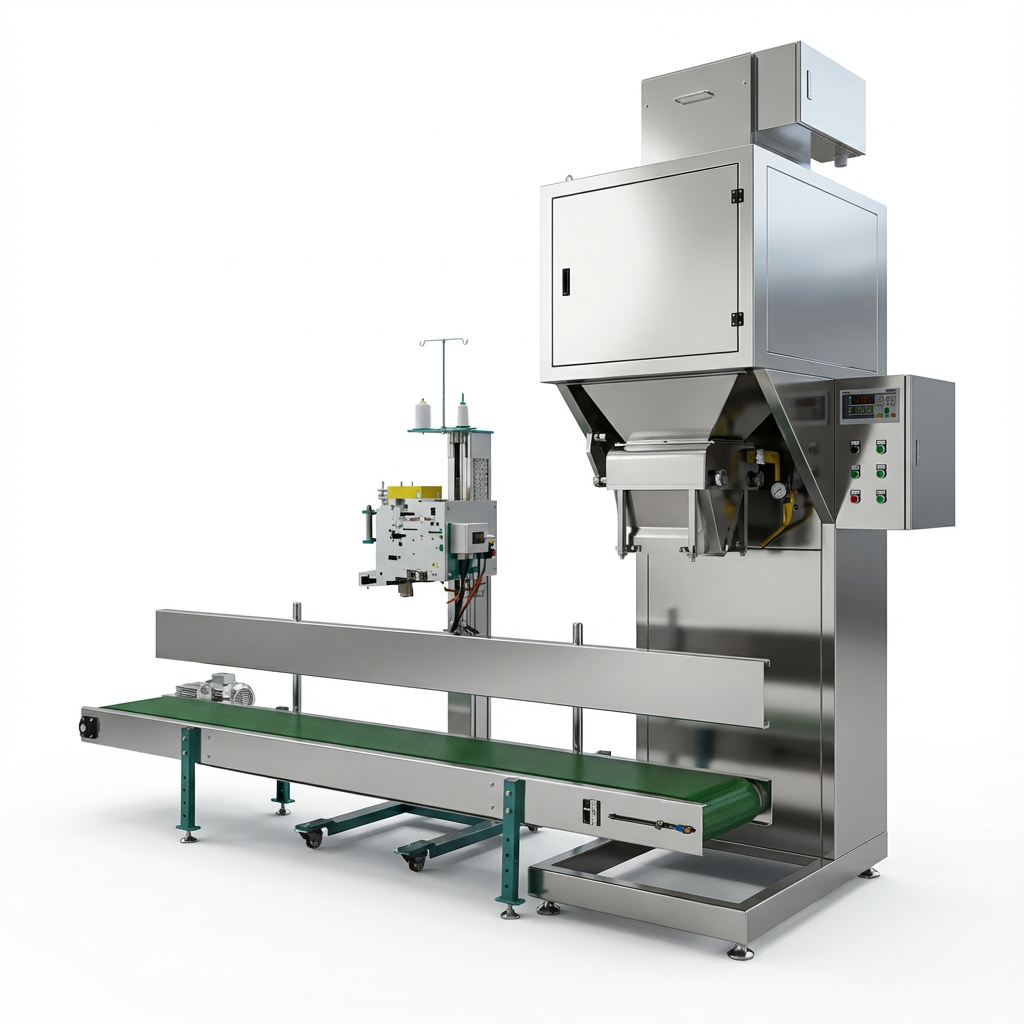
Safety Features in Modern Palletizing Equipment: A Comprehensive Guide for Industrial Compliance and Efficiency
---
Safety features in modern palletizing equipment are foundational to reducing workplace hazards, ensuring regulatory adherence, and unlocking long-term operational value. Manual palletizing—once a core industrial practice for stacking heavy loads, moving pallets, and handling bulk materials—has long been linked to high rates of musculoskeletal disorders (MSDs), crush injuries, and slip-and-fall incidents, according to the U.S. Occupational Safety and Health Administration (OSHA). Today, automated and robotic palletizing systems integrate advanced safety technologies designed to mitigate these risks while boosting productivity. This guide explores the critical safety features of contemporary palletizing equipment, governing regulatory frameworks, and tangible benefits of prioritizing safety in material handling operations.
Regulatory Frameworks Governing Palletizing Safety
Before diving into specific features, it is essential to understand the global and industry standards that mandate palletizing equipment safety:
1. OSHA Standards (U.S.): OSHA’s Material Handling (1910 Subpart O), Lockout/Tagout (LOTO, 1910.147), and Machinery Guarding (1910.212) rules require equipment to prevent access to moving parts, isolate energy sources during maintenance, and limit injury risks. Failing to comply can result in fines up to $15,625 per serious violation (2024 OSHA rates).
2. ISO Global Standards: ISO 12100 outlines general machinery safety principles, ISO 13849 defines requirements for safety-related control systems (with Performance Levels (PL) from A to E, where PL E is highest for high-risk applications), and ISO 14120 specifies design rules for machine guards. For robotic systems, ISO/TS 15066 covers collaborative robot safety.
3. ANSI/RIA Standards: The Robotic Industries Association (RIA)’s ANSI/RIA R15.06 sets safety guidelines for industrial robots, including palletizing cobots, to prevent collisions and contact injuries.
Core Safety Features of Modern Palletizing Equipment
Modern palletizing systems (automated, robotic, and collaborative) integrate layered safety features to protect operators, maintenance teams, and bystanders. Below are the most critical features:
1. Layered Physical Guarding Systems
Physical guards are the first line of defense against contact with moving parts like robotic arms, conveyor belts, and rotating spindles. Modern designs include:
- Fixed Guards: Bolted, non-removable barriers for high-risk areas (e.g., robotic workspaces where operators never need access during operation). They block access to pinch points and rotating components permanently.
- Interlocked Guards: Access doors or panels fitted with safety switches that automatically halt palletizer operation if the guard is opened. This prevents operators from reaching into active cells without stopping the machine.
- Light Curtains: Infrared beam arrays that create a virtual safety boundary. If a beam is broken (e.g., an operator reaches into the palletizing cell), the system triggers an immediate stop. Ideal for static work zones like conveyor loading points.
- Dynamic Laser Scanners: For flexible collaborative workspaces, laser scanners create adjustable safety zones. If an operator enters a restricted zone, the palletizer slows to a safe speed, and stops only if the operator moves closer. This eliminates the need for rigid fencing, saving floor space.
2. Safety-Related Control Systems (SCS)
Beyond physical barriers, advanced control systems ensure fail-safe operation:
- Safety PLCs: Separate from standard programmable logic controllers (PLCs), safety PLCs are built to handle emergency functions with redundant logic, reducing the risk of system failure. They process safety signals (e.g., E-stops, guard switches) faster than regular PLCs.
- Emergency Stop (E-Stop) Systems: Mandatory for all palletizing equipment, modern E-stops are mushroom-shaped, red, and positioned for immediate access within 1 second of an operator reaching any part of the cell. Dual E-stops are installed in high-risk zones, triggering a Category 0 stop (immediate power cut) to halt motion instantly.
- Speed and Force Limiting: For robotic palletizers, speed monitoring ensures the arm operates at a safe level near operators. Collaborative palletizers (cobots) use ISO/TS 15066-compliant force limiting: contact with a human triggers a stop if force exceeds 150N for upper bodies or 300N for limbs, preventing soft-tissue injury.
3. Collaborative Palletizer-Specific Safety
Collaborative palletizers (designed to work alongside humans without full fencing) have unique safety features:
- Power and Force Limiting (PFL): As per ISO/TS 15066, this limits the robot’s power output so accidental contact with an operator does not cause harm.
- Hand-Guidance Mode: Allows operators to manually move the cobot arm at reduced speed during teaching or maintenance, without full system power, minimizing collision risks.
- 3D Vision Collision Avoidance: Integrated cameras detect static (pallets, boxes) and dynamic (operators, tools) obstacles in the palletizing path, adjusting the robot’s trajectory in real time to avoid accidents.
4. Safety-Focused Human-Machine Interfaces (HMI)
Modern HMIs are designed to prioritize safety for operators:
- Real-Time Status Alerts: Visual and audio notifications for hazards (e.g., open guard, low load capacity) with delays under 200ms, allowing quick corrective action.
- Password-Protected Safety Settings: Only authorized personnel can adjust safety parameters (e.g., zone sizes, force limits), preventing accidental misuse.
- Incident Logging: Records near-misses, safety triggers, and E-stop events for regulatory audits and root-cause analysis.
5. Proactive and Predictive Safety Features
Contemporary palletizers use IoT and AI to prevent hazards before they occur:
- Wearable Component Monitoring: Sensors track the condition of interlocked guards, E-stops, and safety PLCs, alerting maintenance teams to faulty parts before they fail.
- Anomaly Detection: AI algorithms analyze machine data (speed, pressure, load) to spot unusual patterns (e.g., a robotic arm moving too fast) that could lead to accidents.
- Lockout/Tagout (LOTO) Integration: Streamlines energy isolation during maintenance, ensuring the palletizer cannot be started accidentally while workers are servicing it.
---
Table: Safety Feature Specifications for Modern Palletizing Equipment
| Safety Feature | Relevant Regulatory Standard | Core Compliance Requirement | Typical Performance Threshold (Tier 1 Systems) |
|----------------|--------------------------------|------------------------------|--------------------------------|
| Interlocked Access Guards | ISO 14120, OSHA 1910.212 | Machine stops within 500ms of guard disengagement | Stop time <0.4 seconds |
| Dynamic Laser Safety Scanners | ISO 13855, ANSI RIA R15.06 | Zone switching adapts to operator movement | Latency <100ms |
| Emergency Stop (E-Stop) Systems | ISO 13849-1, OSHA 1910.22 | Redundant E-stops for high-risk zones | Triggers Category 0 stop (immediate power cut) |
| Force/Torque Limiting (Cobots) | ISO/TS 15066, RIA R15.06 | Contact force limited to prevent injury | Peak force <150N (upper body) |
| 3D Vision Collision Avoidance | ISO 12100, ANSI B11.TR3 | Obstacle detection for dynamic paths | Accuracy ≥99.5% within 500ms |
| Safety HMI Alerts | ISO 9241-110, OSHA 1910.147 | Real-time hazard notifications for operators | Alert delay <200ms |
| LOTO Integration | OSHA 1910.147, ISO 14118 | Energy isolation during maintenance | Prevents unauthorized startup |
| Overload Protection | ISO 13849-2, ANSI B20.1 | Stops operation if load exceeds rated capacity | Trigger threshold =110% of pallet capacity |
---
Innovative Safety Technologies in 2024 Palletizing Systems
The latest advancements in palletizing safety go beyond basic compliance:
- Cloud-Connected Safety Platforms: These systems collect data from sensors across the facility, generating automated audit reports and remote alerts for safety teams. For example, a manager can receive a notification if a laser scanner fails to detect an operator in a restricted zone.
- AR-Assisted Operator Training: Augmented reality tools teach staff to navigate safety features (e.g., adjusting laser zones, using E-stops) in a virtual environment, reducing human error in real operations.
- Biometric Access Controls: For collaborative workcells, biometric sensors verify operator identity before allowing access to the palletizing zone, ensuring only trained personnel enter high-risk areas.
Key Benefits of Safety-Compliant Palletizing Equipment
Investing in modern, safety-focused palletizing systems delivers measurable returns:
1. Reduced Workplace Injuries: The U.S. National Institute for Occupational Safety and Health (NIOSH) reports that automated palletizing reduces MSDs by 75% and crush injuries by 80% compared to manual palletizing.
2. Lower Operational Costs: Fewer workers’ compensation claims, reduced downtime from accidents, and extended equipment lifespan (via overload protection) add up to 15-25% lower operational costs annually.
3. Regulatory Compliance: Avoiding OSHA fines and maintaining a safe work environment protects your brand reputation and legal standing.
4. Improved Productivity: Dynamic safety zones mean operators can work closer to the palletizer without stopping production, eliminating bottlenecks from manual load adjustments.
5. Enhanced Operator Morale: Employees feel valued when their safety is prioritized, leading to higher retention rates and better overall team performance.
Common Safety Gaps to Avoid
Even with advanced features, facilities often overlook critical safety practices:
- Bypassing Guards: Temporarily disabling interlocked guards to speed up maintenance or production is a leading cause of palletizing accidents.
- Inadequate Operator Training: Many facilities skip hands-on training for new safety features, leading to misuse (e.g., incorrect E-stop activation).
- Neglecting Routine Safety Audits: Failing to test E-stops, laser scanners, and force limiters monthly can result in hidden failures.
- Outdated Legacy Equipment: Older palletizers lack modern safety features (e.g., dynamic zones, AI anomaly detection), making them high-risk for injuries.
Conclusion
Safety features in modern palletizing equipment are not just a regulatory requirement—they are a strategic investment that protects workers, reduces costs, and drives productivity. As palletizing operations become more automated and collaborative, safety technologies continue to evolve, integrating IoT, AI, and cloud connectivity to proactively prevent hazards. By aligning your palletizing systems with global standards and prioritizing layered safety features, your facility can build a safer, more efficient workplace for years to come. For businesses looking to upgrade their material handling operations, focusing on safety compliance will always deliver long-term value.
предыдущий:
Safe Operation of Semi Automatic Ton Bag Filling EquipmentСледующая статья:
Safety Standards for Industrial FFS Packaging Systems Промышленный парк группы B Aolan, район Чжандянь, город Цзыбо, провинция С-Шакэ, филиалы: Хэфэй / Синьцзян / Шанхай, перерабатывающие базы: Цзыбо / Хэфэй
 +86 15156080266
 emocnn@163.com
© Авторские права: 2026 Шаньдунская компания Chengyi Intelligent Equipment Co., Ltd. Все права защищены.

Поддерживается сеть IPv6
Этот веб-сайт использует файлы cookie, чтобы обеспечить вам максимально эффективное использование нашего веб-сайта.


Комментарий
(0)