





Auxiliary equipment for industrial machinery
Auxiliary equipment for industrial machinery, often termed peripheral support systems, is the unsung backbone of modern manufacturing, complementing primary production machinery to ensure seamless, safe, and efficient operations. Unlike core equipment such as CNC lathes, robotic welders, or assembly lines that perform direct processing tasks, auxiliary systems address critical supporting functions that prevent downtime, enhance product quality, and safeguard workers. These systems are tailored to specific industrial sectors—from automotive and aerospace to pharmaceuticals and food processing—adapting to varied production demands.A primary category of auxiliary equipment focuses on material handling. Conveyors, automated guided vehicles (AGVs), hoists, and palletizers move raw materials, work-in-progress parts, and finished goods between production stations, storage areas, and shipping docks. For example, in a metal fabrication facility, roller conveyors transport steel sheets from cutting machines to bending presses, eliminating manual lifting that reduces injury risks and speeds up material flow. Advanced AGVs, equipped with navigation sensors, operate autonomously to adjust routes dynamically, optimizing logistics in large-scale plants.Process support auxiliaries are equally vital, addressing operational needs of core machinery. Cooling systems regulate temperatures in high-load equipment like injection molding machines, preventing overheating that causes defects or breakdowns. Lubrication units apply precise amounts of oil or grease to moving parts of presses and gears, minimizing friction and wear to extend machinery lifespan. Filtration systems for hydraulic and pneumatic fluids remove contaminants, ensuring core components function reliably and avoiding costly repairs from fluid-related damage.Quality assurance auxiliaries, including vision inspection systems, coordinate measuring machines (CMMs), and non-destructive testing rigs, further enhance production outcomes. These systems perform real-time checks of product dimensions, surface defects, or material integrity, reducing scrap by catching errors early. For instance, vision systems can detect tiny misalignments in pharmaceutical bottle caps or surface cracks in aerospace components, ensuring only compliant products reach customers.Safety and control auxiliaries are non-negotiable for compliance and workplace well-being. Emergency stop (E-stop) systems trigger immediate shutdown of machinery during hazards, while light curtains and pressure sensors create virtual barriers around high-risk zones like robotic work cells, stopping operations if a worker enters. Real-time monitoring sensors track parameters like vibration, temperature, and pressure, alerting operators to anomalies before they lead to failures—supporting predictive maintenance strategies.Modern auxiliary equipment integrates with Industry 4.0 technologies, collecting data via IoT sensors to sync with core machinery. This integration enables optimized production schedules, reduced waste, and improved overall equipment effectiveness (OEE). Without these complementary systems, primary machinery would operate at a fraction of its potential, leading to inconsistent output, safety incidents, and inflated operational costs. As such, investing in reliable, adaptive auxiliary equipment remains a cornerstone of successful, future-ready industrial operations. (Word count: 502)
продукт
классификация:
-
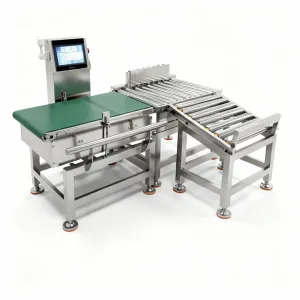
Cost-effective Auxiliary Equipment for Industrial Machinery
Их классификация: Вспомогательное оборудованиемнения: 20номер:Время выпуска: 2026-09-14 09:53:02Brief IntroductionOur cost-effective auxiliary equipment for industrial machinery is built to complement primary industrial machinery across diverse operational environments. It delivers reliable supporting functions without excessive investment, helping factories complete auxiliary handling, conveying and material processing tasks. This cost-effective auxiliary equipment integrates seamlessly with existing industrial machinery, optimizing the whole workflow while keeping operational expenditure under control. It is designed for small and medium production sites as well as large-scale ma...
новости
классификация:
Нет результатов поиска!
случай
классификация:
Нет результатов поиска!
видео
классификация:
Нет результатов поиска!
скачать
классификация:
Нет результатов поиска!
вербовка
классификация:
Нет результатов поиска!
Рекомендуемые продукты
Нет результатов поиска!


