





shell and tube condenser heat exchange performance
Shell and tube condensers are among the most widely used heat rejection devices in industrial processes, power generation, and large-scale HVAC systems, with their heat exchange performance directly governing overall system efficiency, energy consumption, and operational uptime. Their core function is to transfer thermal energy from a hot, vapor-phase process fluid (such as refrigerant, steam, or organic working fluid) circulating within a large cylindrical shell to a cooler secondary fluid (typically water, glycol solution, or treated water) flowing through a network of parallel tubes mounted inside the shell.The primary metric for evaluating performance is the overall heat transfer coefficient (U-value), a composite measure of thermal resistance across all layers: convective resistance on both shell and tube sides, conductive resistance of the tube wall, and fouling resistance from accumulated debris or mineral deposits. A higher U-value indicates more efficient heat transfer, enabling the condenser to reject a greater thermal load (measured in kilowatts or BTUs per hour) for a given surface area and temperature difference between the hot and cool fluids.Several operational and design factors profoundly shape this performance. On the shell side, segmental baffles – plates that redirect vapor flow across the tube bundle – induce turbulence to break up stagnant boundary layers around tubes, a key driver of convective heat transfer. Baffle spacing must be optimized: too wide reduces turbulence and heat transfer, while too narrow creates excessive pressure drop and fluid velocity that risks erosion or condensate entrainment, impeding phase change. Vapor distribution is also critical; uneven flow leaves sections of the tube bundle underutilized, lowering effective heat transfer area.Fouling remains a persistent threat to sustained performance. Mineral scale from hard water, organic debris, or corrosion products accumulate on tube surfaces, adding insulating resistance that can reduce U-values by 20–50% over time if unaddressed. Maintenance practices like periodic chemical or mechanical cleaning of tubes mitigate this issue, while advanced surface treatments (e.g., hydrophobic coatings) slow fouling buildup.Design enhancements further boost performance: twisted tube bundles, enhanced tube surfaces (finned or corrugated), and optimized flow geometries increase turbulence or heat transfer area without proportional increases in pressure drop, balancing efficiency and operational cost. For phase-change applications, ensuring uniform condensate drainage from the shell bottom prevents liquid pooling that blocks vapor access to tube surfaces, preserving latent heat transfer – the dominant mode in most condensers. This balance of design, operation, and maintenance ensures shell and tube condensers deliver reliable, high-performance heat exchange across diverse industrial and commercial applications. (Word count: 508)
продукт
классификация:
-
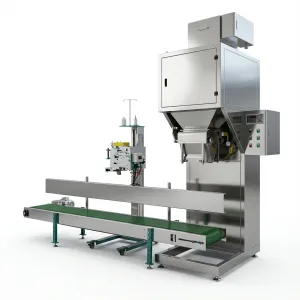
Industrial Shell and Tube Condenser for Heat Exchange System
Их классификация: Полуавтоматическая упаковочная машина для тяжелых условий эксплуатациимнения: 15номер:Время выпуска: 2026-10-12 09:05:02Industrial shell and tube condenser, core heat transfer unit for vapor condensation & steady industrial heat exchange.
новости
классификация:
Нет результатов поиска!
случай
классификация:
Нет результатов поиска!
видео
классификация:
Нет результатов поиска!
скачать
классификация:
Нет результатов поиска!
вербовка
классификация:
Нет результатов поиска!
Рекомендуемые продукты
Нет результатов поиска!


